

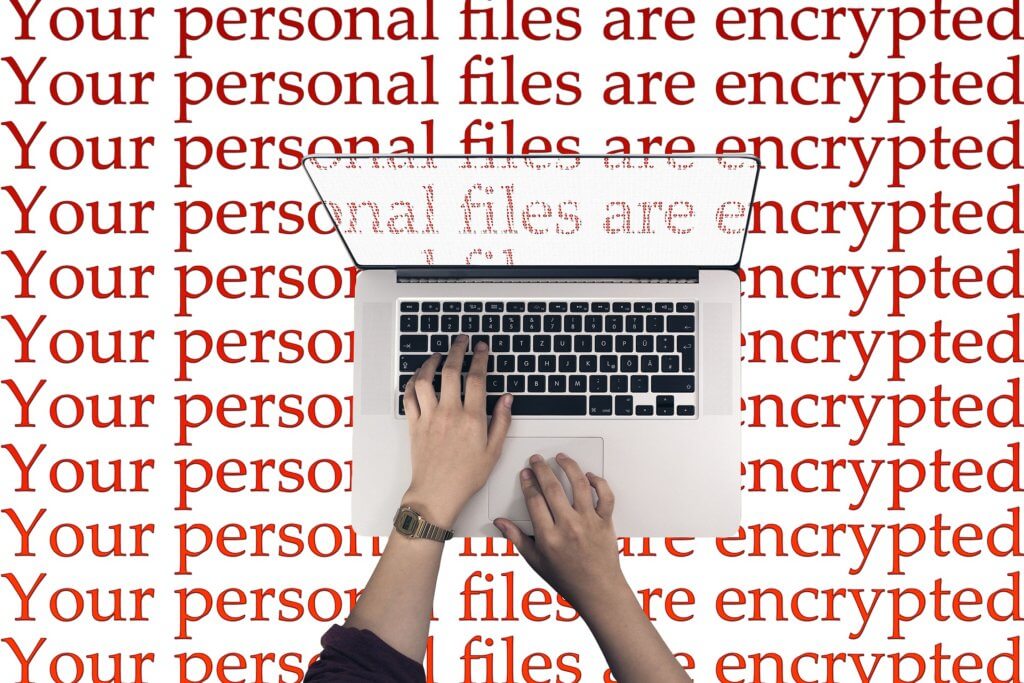
Email remains one of the most widely used forms of communication in the world today. While email has made communication much easier, it has also opened new doors for cybercriminals to target users and businesses.
Email security threats are a major concern and can potentially cause serious harm to businesses and individuals.
This article outlines the top five email security threats that businesses and individuals should be aware of, providing deeper insights into each type of threat.
1. Human Error
One of the most common email security threats is human error. This includes simple mistakes such as sending an email to the wrong recipient or responding to a phishing email.
Even a well-intentioned employee can fall prey to these types of attacks, so it is important to educate all employees on the dangers of email security threats and how to identify them.
Training employees on email security best practices and regular phishing simulations can help reduce the risk of human error.
For example, employees should be made aware of the dangers of clicking on links in emails from unknown or suspicious sources and should be trained to verify the authenticity of the sender before responding to any emails.
Companies should also implement strict email policies, such as requiring employees to double-check the recipient before sending an email and providing them with clear guidelines for responding to suspicious emails.
2. Malicious Attachments
Malicious attachments are another common email security threat. Attackers can send emails with attachments that contain viruses, malware, or other harmful software.
These attachments can give the attacker access to sensitive information, such as login credentials or financial data. It is important to be cautious when opening attachments and to always verify the sender before opening any attachments.
To mitigate the risk of malicious attachments, companies can implement email security solutions that scan attachments for malware or other threats before they reach the recipient’s inbox.
Also, employees should be trained never to open attachments from unknown or suspicious sources and should be made aware of the dangers of downloading attachments from the internet.
3. Missent Emails
Missent emails can occur when an email is sent to the wrong recipient. This can lead to sensitive information being exposed to someone who should not have access to it.
To prevent missent emails, it is important to double-check the recipient before sending any emails and to ensure that all employees understand the importance of email security.
To reduce the risk of missent emails, companies can implement email encryption solutions that automatically encrypt emails containing sensitive information.
Additionally, employees should be trained to verify the recipient before sending any emails and to carefully consider the information they include in emails.
4. Email Spoofing
Email spoofing is when an attacker sends an email that appears to be from a legitimate source. This type of attack is often used to trick the recipient into clicking on a malicious link or providing sensitive information.
To protect against email spoofing, it is important to be aware of the signs of a spoofed email and to always verify the sender before clicking on any links or providing any information.
To mitigate the risk of email spoofing, companies can implement email authentication technologies such as SPF, DKIM, and DMARC. These technologies help verify the sender’s authenticity, making it more difficult for attackers to spoof emails.
Plus, employees should be trained to identify the signs of a spoofed email, such as a suspicious sender or a mismatched URL, and to never provide sensitive information in response to an email that appears to be from a suspicious source.
5. MFA Evasion
Multi-Factor Authentication (MFA) is a security measure that requires users to provide multiple forms of authentication before accessing a system. However, attackers have found ways to bypass MFA, such as by using stolen credentials or social engineering techniques.
To protect against MFA evasion, it is important to understand the potential weaknesses in your MFA implementation and to ensure that all employees understand the importance of using MFA.
To reduce the risk of MFA evasion, companies can implement strong MFA methods, such as using biometric authentication or using MFA with a device that is separate from the one being used to access the system.
What’s more, employees should be trained on the importance of keeping their MFA credentials secure and never reusing the same password or MFA code for multiple systems.