

• Skip to main content
  • Skip to primary sidebar
  • Skip to footer
Menu
  • Home
  • About Us
  • Solutions & Services
    • Security Governance
    • Network Security 
    • Cloud Security 
  • Compliance
  • Sectors
  • Blog
  • Contact

Important Things to Know About Data Breach

By kamran | At July 23, 2022

Jul 23 2022

Important Things to Know About Data Breach

data security

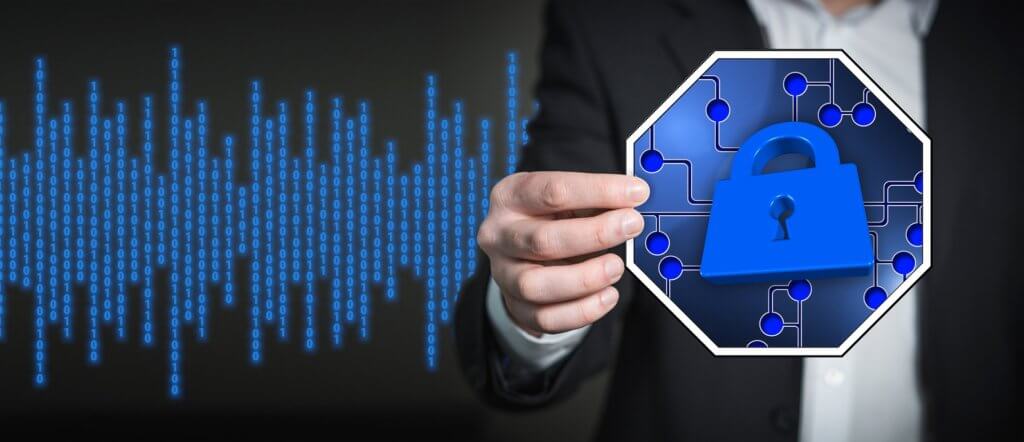
Data breach is a security incident that exposes confidential, sensitive, and personal protected data to an unauthorized person.

How Data Breach Happens

It is said that hackers cause data breaches, but that is not true. Various other factors lead to data breaches, including:

  • An Accidental Insider: A data breach can be caused by a co-worker who uses files or computers of their colleague without permission. The person may not share any information, and the access is unintentional, but as it is viewed by an unauthorized person, it is considered a data breach.
  • A Malicious Insider: A malicious insider is a person who gets access to personal computers and shares confidential and sensitive data with the intent of causing harm to the owner or authorized person.
  • Lost or Stolen Devices. When an unlocked laptop, external hard drive, mobile, or other devices that contain sensitive information goes missing, it is also considered a data breach.
  • Malicious outside Actors: When an outsider actor, also known as a hacker, uses different methods to gather sensitive information from a network is also a data breach.

Methods Used for Breach Data

The hackers use different tricks and methods for breach planning of an organization. They identify the weak points and vulnerabilities like missing or failed updates and employees’ weaknesses. After knowing the targeted weakness, they plan a campaign where the insiders mistakenly download malware. The hackers search for data they want as they have more time to do it.

  • Stolen Credentials: Stolen and weak credentials are the reasons for various cyber attacks. The hackers use the user’s name and passwords to access a network. As many people use the same password for every kind of account, hackers use the password to access email, websites, bank accounts, and financial information.
  • Payment Card Fraud: The hacker attaches different card skimmers to gas pumps and ATMs through which they can steal the user data whenever the card is swiped.
  • Third-party access. When the entire network is secured, the malicious actor can use third-party vendors to enter the secured network.
  • Mobile Devices: In most workplaces, the employees are allowed to bring their own devices like personal laptops, and it becomes easier for hackers to unsecured devices to download malware apps through which they can store data on their device.

Written by kamran · Categorized: Cyber security threats

Primary Sidebar

Recents post

Your Law Firm Could Be Next — Are You Protected?

Cybercriminals are targeting … [Read More...] about Your Law Firm Could Be Next — Are You Protected?

Litigation, Logins, Breach Response & More: A Lawyer’s Cyber Survival Guide

Your clients trust you with … [Read More...] about Litigation, Logins, Breach Response & More: A Lawyer’s Cyber Survival Guide

Massive Surge in Healthcare Cyber Attacks…Ransomware, Radiology Data Breach, and More

The first half of 2025 has … [Read More...] about Massive Surge in Healthcare Cyber Attacks…Ransomware, Radiology Data Breach, and More

Categories

  • AI and cybersecurity (2)
  • blockchain (1)
  • Cloud security (29)
  • Compliance (25)
  • Cyber security news (108)
  • Cyber security threats (376)
  • Cyber security tips (370)
  • Data Security (3)
  • E-Commerce cyber security (3)
  • Education cyber security (1)
  • Enterprise cyber security (7)
  • Financial organizations cyber security (4)
  • General (22)
  • Government cyber security (4)
  • Healthcare cyber security (19)
  • Information Security (2)
  • Law Firms Cyber Security (9)
  • Network security (9)
  • Newsletter (1)
  • Privacy (1)
  • Ransomware (14)
  • remote work (1)
  • Risk assessment and management (6)
  • Security management and governance (9)
  • SME Cybersecurity (2)
  • Software Security (2)
  • Supply Chain Attacks (5)
  • System security (3)
  • Uncategorized (35)
  • Vendor security (14)

Archives

Footer

Infoguard Cyber Security

San Jose Office
333 W. Santa Clara Street
Suite 920
San Jose, CA 95113
Ph: (855) 444-6004

Irvine Office
19800 MacArthur Blvd.
Suite 300
Irvine, CA 92612

Recent Posts

  • Your Law Firm Could Be Next — Are You Protected?
  • Litigation, Logins, Breach Response & More: A Lawyer’s Cyber Survival Guide
  • Massive Surge in Healthcare Cyber Attacks…Ransomware, Radiology Data Breach, and More

Get Social

  • LinkedIn
© 2026 INFOGUARD. All Rights Reserved.
Linkedin-in
Menu
  • Home
  • About Us
  • Blog
  • Compliance Services
  • Contact
  • Sectors
Menu
  • Home
  • About Us
  • Blog
  • Compliance Services
  • Contact
  • Sectors
  • Privacy Policy
  • Terms of Use
  • Acceptable Use